
Why Should Aircraft Warning Lights Be Installed?
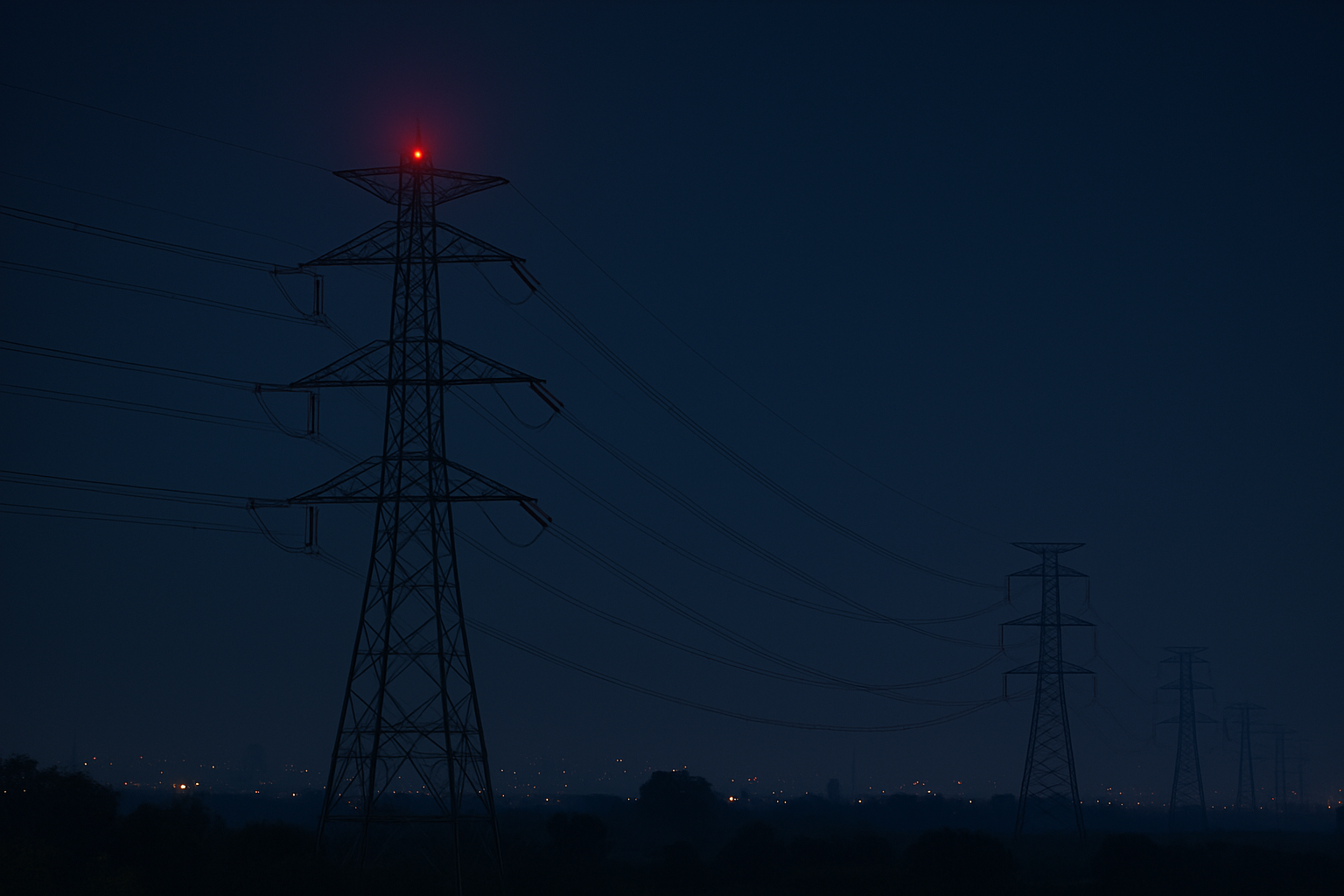
The primary purpose of installing aircraft warning lights is to ensure flight safety—they are an essential part of the aviation safety system. Here’s a more detailed explanation:
I. What Are Aircraft Warning Lights?
Aircraft warning lights are specialized lighting devices installed on tall structures such as high-rise buildings, towers, chimneys, wind turbines, bridges, and high-voltage transmission towers. Their purpose is to emit bright signals at night or in low-visibility conditions to alert aircraft and help them avoid obstacles.
II. Why Install Aircraft Warning Lights?
01. Ensuring Flight Safety and Preventing Collisions
When aircraft fly at night or in foggy, low-visibility weather, pilots cannot visually detect obstacles on the ground. Without warning lights, tall structures can pose serious risks of collision. Aircraft warning lights emit flashing red or white light to help pilots identify and avoid potential hazards, thus reducing the risk of accidents.
02. Regulatory Compliance and Mandatory Installation
Civil aviation authorities worldwide—such as the Civil Aviation Administration of China (CAAC), the U.S. Federal Aviation Administration (FAA), and the International Civil Aviation Organization (ICAO)—have clear requirements for aircraft warning lights. For example:
- Structures taller than 45 meters must be equipped with warning lights.
- Buildings, cranes, or other facilities near airports must have lights installed, regardless of height.
- The brightness, color, placement, and quantity of the lights are subject to standardized regulations.
Failure to comply may lead to administrative penalties, construction delays, or mandatory rectification and removal.
03. Enhancing the City’s Image and Sense of Technology
In modern cities filled with high-rise buildings and dazzling lights, aircraft warning lights also add a striking visual element to the skyline. Beyond their functional role, they can be creatively integrated into architectural lighting to enhance a building’s technological appeal and visual presence.
III. Where Must Aircraft Warning Lights Be Installed?
- Super high-rise buildings (e.g., office towers, residential buildings, and landmark structures)
- Communication towers, TV towers, and chimneys
- High-voltage power transmission towers
- Wind turbines
- Bridges and large river-crossing bridges
- Any structures near airports that may pose a risk to flight safety
IV. In Summary
Aircraft warning lights are not optional—they are mandatory.
They don’t just protect planes and pilots—they safeguard the lives of thousands and ensure the safe operation of entire cities.
If you’re involved in construction, engineering, or facility management, understanding the regulations and choosing the right aircraft warning lighting solutions early on will save time, reduce risks, and ensure compliance.
Need help writing a company introduction, product copy, or bid proposal? Just let me know—I’m here to help.